Things to Do in Brazil in July
July weather, activities, events & insider tips
Low Season · Budget Friendly
July Weather in Brazil
Temperature, rainfall and humidity at a glance
79°F (26°C)
High Temp
65°F (18°C)
Low Temp
1.6 inches (41 mm)
Rainfall
75%
Humidity
Is July Right for You?
Weigh the advantages and considerations before booking
Advantages
- + July in the Pantanal isn't just dry, it's jackpot season. The world's densest jaguar population crowds shrinking river channels and oxbow lakes, forced into view by receding waters. Safari operators along the Cuiabá River in the Northern Pantanal now report sightings on most morning boat excursions. This stretch is likely the single most accessible place on Earth to see a jaguar in the wild, and July pushes those odds to their peak. Even without the cats, the bird density would justify the trip: hyacinth macaws in pairs, jabiru storks, roseate spoonbills painting the late-afternoon sky pink.
- + Brazil's Northeast coast, Fortaleza, Natal, Maceió, Jericoacoara, Canoa Quebrada, sits in central its dry season. Trade winds hold daytime temperatures at a comfortable 27-29°C (81-84°F), rainfall drops to near zero, and the water turns a clear blue-green that beach destinations in the south cannot match in winter. This stretch of coast tends to be overlooked by international visitors and beloved by Brazilians who know it well.
- + Festa Junina still burns in the Northeast through early July. The celebrations in Caruaru (Pernambuco) and Campina Grande (Paraíba) are the real thing. Forró bands hammer accordion, zabumba drum, and triangle until 3 AM. Quadrilha dancers in calico dresses spin through cobblestone squares. The smell of canjica and wood smoke hangs in warm night air. These are not tourist performances. Families travel hundreds of miles for them. They've been doing so for generations.
- + Rio and São Paulo in July feel like cities exhaling after a long fever. The heat snaps to a civil 22-25°C (72-77°F), humidity backs off, and the tempo drops a beat. Tables you'd chase two weeks ahead in January now free up in three days. Up in Salvador, the Pelourinho, those UNESCO-listed 17th-century painted mansions crowning the colonial hilltop, sheds its slippery sheen; June through August the cobbles stay dry, no 4 p.m. deluge to dodge.
Considerations
- − Brazilian school holidays run from late June through early August, July is chaos. Flights on popular routes, São Paulo to Fortaleza, Rio to Porto Seguro, Brasília to Manaus, fill weeks ahead. Prices on these routes climb steeply as departure dates approach. No joke. Accommodation in Chapada Diamantina, Jericoacoara, Bonito, and Fernando de Noronha sells out entirely during this window. Book lodging and domestic flights at least 6-8 weeks ahead for any destination that appears on a Brazilian Instagram feed.
- − July in Rio de Janeiro brings a shock: the Atlantic beaches cool fast. Water drops to 20-22°C (68-72°F). Morning mist rolls in. Grey skies can linger until noon. Ipanema and Copacabana still work for walks, just don't expect the usual buzz. Beach culture runs at half speed. If you're flying in for sun and sand, skip Rio this month. The Northeast coast delivers better odds and often fewer connections than most travelers guess.
- − July in the Amazon? Still brutal. Thirty to thirty-three degrees (86-91°F) by noon, humidity pinned above 80%. Insects will eat you alive, daily DEET isn't optional. Yellow fever vaccination is mandatory for Amazon region entry, and the shot needs 10 days to kick in. Not a deal-breaker, but if you're dreaming of a cool rainforest, recalibrate before you book.
Best Activities in July
Top things to do during your visit
Pantanal Jaguar and Wildlife Safaris
Jaguars in the first hour. July strips the Pantanal to its bones, 150,000 square kilometers (57,900 square miles) of savanna, gallery forest, and oxbow lakes, and the wildlife crowds the last water like a movie set. Floodwaters have receded. The world's largest tropical wetland becomes a stage. Dawn boat trips on the Cuiabá River in the Northern Pantanal deliver. Big cats pad the banks in early cool, haul caiman kills into reeds, ignore the boats completely. You will not believe it until you see it. Birds steal the show anyway. Hyacinth macaws in pairs overhead. Jabiru storks taller than a ten-year-old. Flocks of roseate spoonbills painting late-afternoon skies pink. Density you cannot imagine. Most lodges in the Northern Pantanal run a tight loop: morning boat safaris, horseback rides through cerrado scrub, guided night walks with spotlights. Simple formula. Works every time. The Southern Pantanal near Campo Grande stays off the glossy pages. Equally extraordinary for birdwatchers. More beds available during July. Book it.
Booking Tip: July lodges? Gone by May. Book lodges and guided safari packages at least 8-10 weeks ahead for July, dry-season dates fill with international wildlife photographers and natural history groups. Skip the cattle-car boats. Look for operators offering naturalist-guided boat trips with a maximum of 6-8 passengers. See current tour options in the booking section below.
Festa Junina Cultural Immersion in the Northeast
Caruaru (Pernambuco) and Campina Grande (Paraíba) both insist they stage the planet's biggest Festa Junina, each claim holds up once you see the scale. The official June calendar keeps rolling into early July in both cities, and the forró music, quadrilha dancing, and traditional foods, pamonha, canjica, quentão served hot in earthenware cups, run on domestic demand, not tourist expectation. Tens of thousands of Brazilians from across the Northeast pour into these cities every year. This has been true for decades. This is one of the more accessible cultural traditions in Brazil, and July still catches the tail end of the season in most of the Northeast.
Booking Tip: Caruaru and Campina Grande? Sold out. Every bed, hammock, and couch vanishes by late June, early July is hopeless. Recife (Guararapes) sits 130 km (81 miles) west of Caruaru. That is your only realistic airport. Lock in pousadas and guesthouses the instant your dates are confirmed, Brazilian booking platforms, not international ones, or you'll sleep in the bus station. Check the booking section for current cultural tour options. They shrink as fast as the rooms.
Chapada Diamantina Trekking and Cave Lake Circuits
July dry season is your window, Chapada Diamantina's quartzite plateaus, clear rivers, and waterfalls across 38,000 square kilometers (14,670 square miles) become hiker heaven. The climb to Morro do Pai Inácio (1,120m / 3,675 ft) takes 45 minutes through scratchy caatinga scrub, but you'll earn 40 km (25 miles) of basin views as afternoon light burns the tabletop mountains deep ochre. This flat-top plateau, yes, the one on every Bahia poster, delivers. Cachoeira da Fumaça drops 340m (1,115 ft), ranking among Brazil's tallest waterfalls. Approach from above via the Igatu trail, a 12 km (7.5 mile) round trip across shadeless terrain. Start before 7 AM or suffer. Poço Encantado (Enchanted Well) hides an underground lake that flashes electric cobalt when sunlight hits the right angle. April through September delivers this phenomenon; July sits near peak. The light window is brief, don't miss it. Lençóis is base camp. Whitewashed colonial houses line streets above rivers so clear you can watch fish while swimming.
Booking Tip: Guides with park licenses are mandatory on many circuits, book 14 days ahead in July or you won't get one. School-holiday crowds hit hard. Weekday trails stay calm while weekends turn into a mess. Demand IBAMA-certified guides who know what to do when the weather flips. Current listings sit in the booking section.
Iguazu Falls Panoramic Trail and Boat Excursions
July at Iguazu flips the script. Water drops to half the February-April flood, so the mist that usually blinds you lifts. Suddenly you count 275 separate falls strung across a 2.7 km (1.7 mile) horseshoe, not one roaring wall. Walk the rim, not just gape from a platform. Foz do Iguaçu sits at 22-25°C (72-77°F) in July. That turns the 1.2 km (0.75 mile) Brazilian panoramic trail into a stroll instead of a January sweat-fest. Boat crews still run the river, and they'll soak you anyway. Yet lower flow lets them nose closer to the rock face. Easier steering, bigger grins. Cross the bridge to the Argentinian side of the falls from Foz do Iguaçu. Longer catwalks, fresh angles, worth a second full day. Most visitors guess wrong on timing. Don't.
Booking Tip: Weekday visits are noticeably less crowded than weekends during school holidays, no contest. Boat excursions fill fast in July's peak season. Check availability in the booking section below. Allow one full day for the Brazilian side. Two days? That is what you'll need to properly experience both sides.
Salvador da Bahia Afro-Brazilian Culture and Capoeira Circuits
July in Salvador means the Northeast dry season is in full swing. The Pelourinho, that UNESCO-listed colonial hilltop neighborhood, becomes walkable. No afternoon downpours, unlike the wet months. But the real draw runs deeper than architecture. Tuesday nights. Capoeira groups practice on the steps of historic academies along Rua das Laranjeiras in the Pelourinho. The berimbau, a single-string gourd bow, produces a tone unlike anything in Western music. It drifts through streets that have carried this tradition for over a century. Candomblé terreiros in neighborhoods like Liberdade and Federação hold public ceremonies. These are active religious observances, not performances. Bring a local guide who can make introductions, it's the only respectful way to approach. The Mercado Modelo by the lower city waterfront has been operating since the 1800s. Acarajé, black-eyed pea fritters split and stuffed with dried shrimp, vatapá paste, and pepper sauce, comes from cast-iron pans handled by Baianas in white lace. You'll find them on nearly every corner of the historic center. Eat one standing on cobblestone with the sea visible at the end of the street. That is Bahia.
Booking Tip: A certified local guide for the Pelourinho and cultural circuits is worth it, the neighborhood's historical layers need context that most signage won't give you. Book through operators certified by the Bahia tourism authority. Cultural immersion experiences including capoeira and Candomblé introduction should be arranged in advance. See current options in the booking section.
Amazon River Flooded Forest and Wildlife Expeditions
July shows the Amazon mid-transformation, strange, electric, memorable. The wet season, October through May, floods the forest floor by 10-12m (33-39 ft), and in July those waters retreat yet still let you paddle a canoe straight through igapó: flooded forest where tree canopies rise straight from the water's surface. From Manaus, the famous meeting of the Rio Negro and Rio Solimões, two rivers running side by side for several kilometers without mixing, dark tannic black of the Negro against pale caramel of the Solimões, runs year-round but looks sharpest at this water level. Flooded-forest canoe circuits slide beneath pink river dolphin habitat, down corridors of cecropia and rubber trees while morning light filters through the canopy. July also delivers drier air than peak wet season, so morning fog burns off by 8 AM and afternoon light for wildlife photography improves. The heat is real: 30-33°C (86-91°F) by midday, humidity above 80%, insects that demand daily management. Embrace these conditions and the Amazon in July becomes extraordinary, an ecosystem of impossible biological density where the scale of life per square kilometer cannot be fully prepared for in advance.
Booking Tip: Book your multi-day Amazon expedition 4-6 weeks ahead or forget it. Manaus has licensed operators, find ones with certified naturalist guides and proper safety and first-aid equipment. Day trips from Manaus cover the meeting of the waters. Flooded forest canoe circuits need at least 2-3 nights on the river. Check current options in the booking section.
Where to Stay in Brazil in July
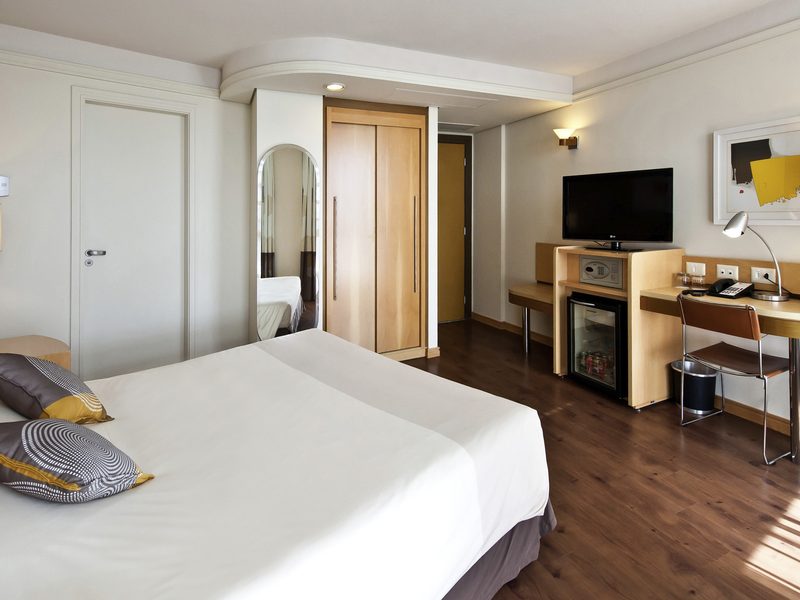
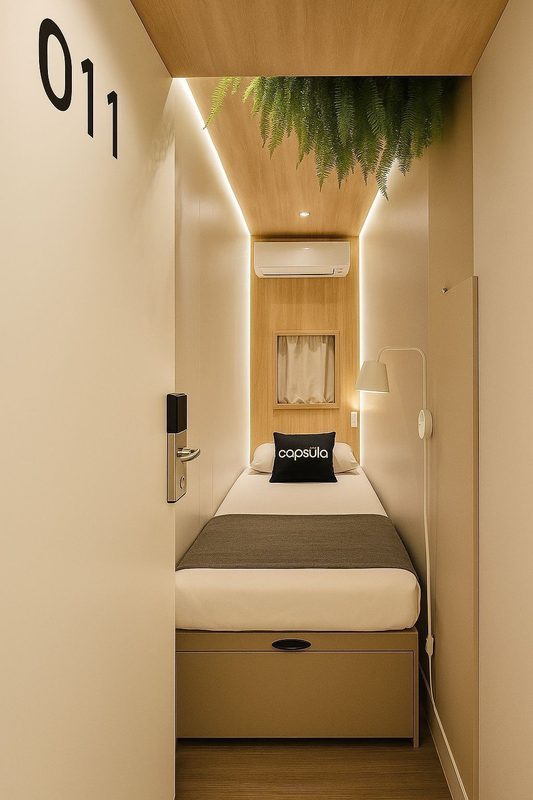
Hand-picked hotels across price tiers for July travellers.
Public Holidays in July
Dates that affect opening hours, transport and crowds
Revolução Constitucionalista de 1932
Known in English as Constitutionalist Revolution of 1932. A public holiday in these regions only: BR-SP.
Revolução Constitucionalista de 1932
Known in English as Constitutionalist Revolution of 1932. A public holiday in these regions only: BR-SP.
Packing Checklist
Bookmark this page — your progress is saved between visits
Need the full list with shopping links?
Climate-specific gear, brand recommendations, and what to leave at home.
View Brazil Packing List →Essential Tips
Insider knowledge and common pitfalls to avoid
Insider Knowledge
Brazilian school holidays will wreck your July trip if you ignore them. Gol and Azul domestic routes, those are the lifelines to Northeast beach destinations that work in July, sell out 3-4 weeks ahead. Prices spike hard when you book late. Here's the move: lock down every domestic Brazilian leg before you even look at international hotels. Don't treat flights as an afterthought.
Brazilians who know the coast skip the obvious choices in July. They head to Jericoacoara (Ceará), Pipa (Rio Grande do Norte), Maragogi (Alagoas), three towns with one shared problem. Every room is booked. No overflow exists. Jericoacoara's roads aren't paved. One sandy track cuts through dunes. Show up without a reservation during the second week of July and you'll discover a special kind of misery. No guidebook warns you properly.
July is São Paulo's secret window. Tourists vanish, suddenly you can book Mocotó, the Nordestino kitchen in Vila Medeiros that has ruled since 1973, with seven days' notice instead of thirty. Same goes for the botequim bars threading through Vila Madalena. Brazilian winter sharpens appetites; feijoada, that slow-cooked black bean and pork stew, appears on Wednesdays and Saturdays with real seasonal conviction.
Cariocas (Rio natives) bundle up in heavy coats at 20°C (68°F). That tells you everything about temperature calibration after a lifetime in subtropical heat. Flip the coin: Rio's beaches in July are emptier than their global reputation claims, on weekdays. Ipanema at 9 AM on a Tuesday in July carries the unhurried calm that peak-season photographs never capture.
Avoid These Mistakes
Skip Rio's beaches in July. The real action is 1,600 miles north. Copacabana and Ipanema turn cool, grey, half-asleep, the Atlantic drops to 20-22°C (68-72°F) and the usual samba-on-sand vibe fades. Meanwhile Fortaleza, Natal, and Maceió are blazing, cloudless, packed. You'll trade 3.5 hours in the air for postcard weather every single day. A detour, yes. Essential if sand is the whole point.
Brazil isn't a country, it's a continent. Ten days split across Rio, Salvador, Manaus, and the Pantanal demands brutal triage. Rio-Manaus eats 4 hours in the air; Manaus-Cuiabá, the Pantanal's front door, swallows another 2.5, usually with a connection. Most travelers from compact nations can't grasp the scale until they're midair, watching the Amazon unroll like green carpet for three straight hours. Two regions, maybe three, done right beats five skimmed at 30,000 feet.
July. You land in Chapada Diamantina, Bonito, Jericoacoara, or Fernando de Noronha with zero booked beds. This gamble pays off in plenty of places. Brazil's July domestic high season? Not here. Not these spots. Roll into Jericoacoara mid-July without a reservation and you're elbowing thousands of Brazilian domestic tourists for a handful of beds. Small village. No overflow. No mercy.
Ready to plan your trip to Brazil?
Now that you've got the research covered, here's where to go next.
Book Experiences in Brazil
Top-rated things to do in Brazil this July


Explore More Activities in Brazil
Didn't see anything interesting yet?
Browse Viator's full catalog of tours, day trips, food experiences, and private guides in Brazil.
See All Brazil Tours on Viator